
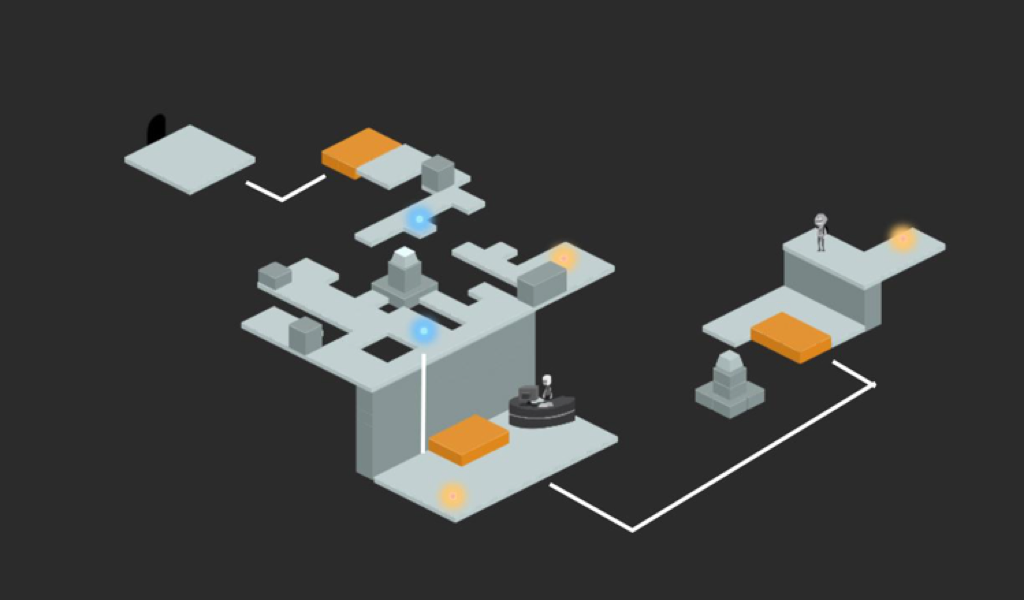
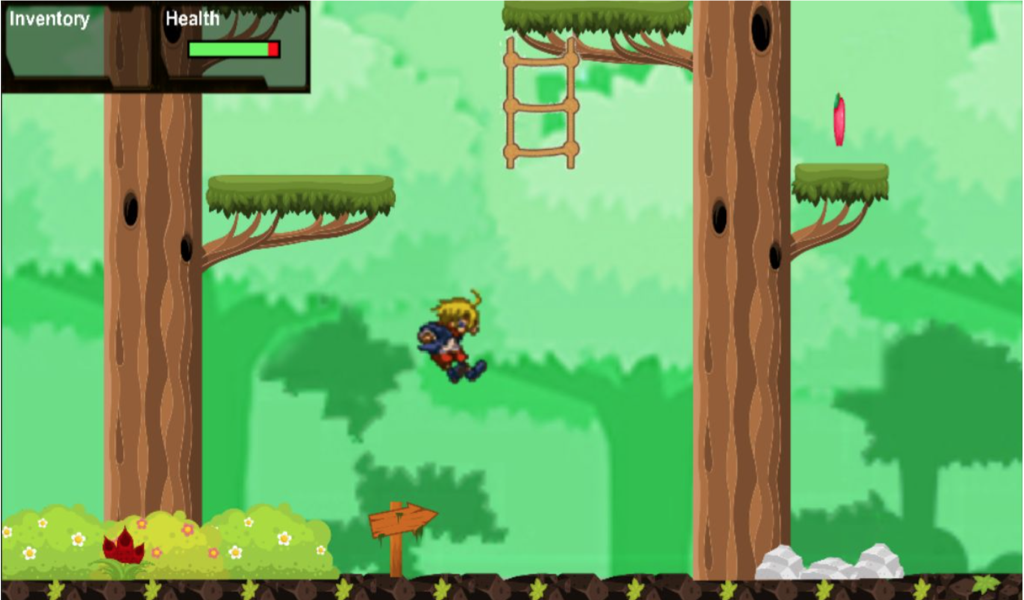
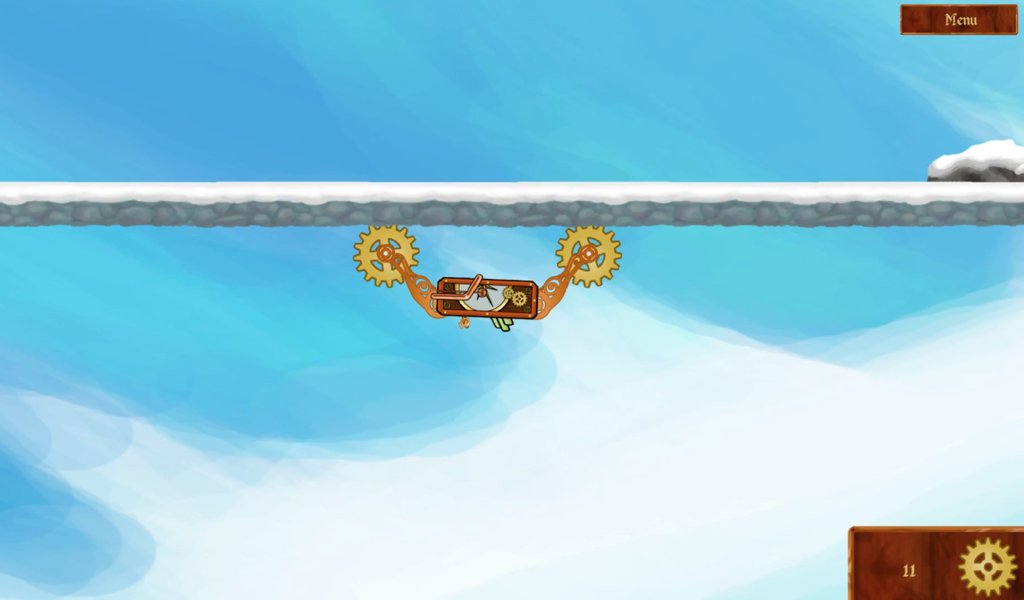

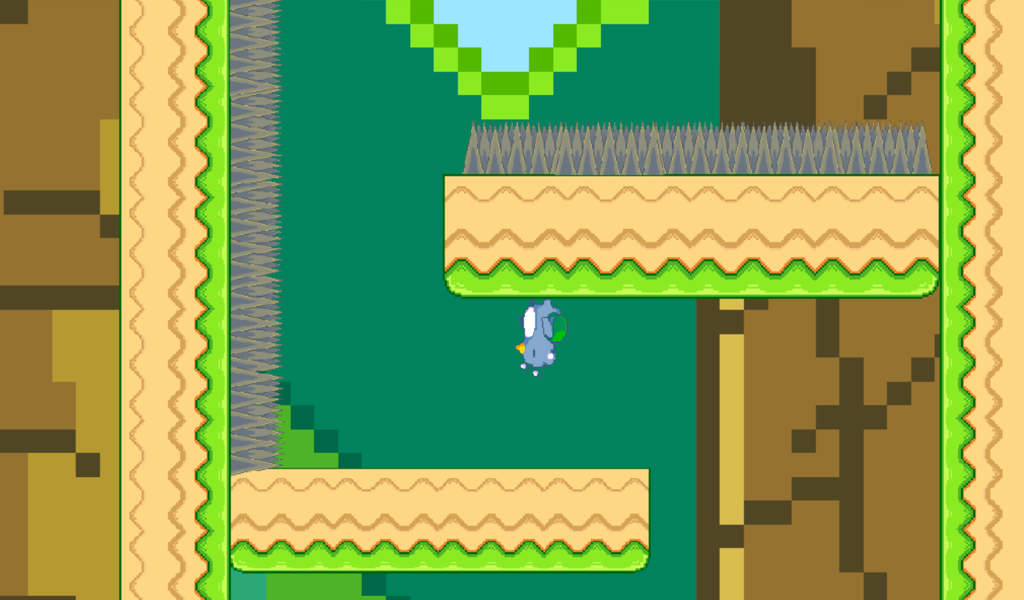
CISC 226 explores techniques for the design and evaluation of digital games. Digital games (encompassing computer games, console games and mobile games) have become tremendously popular, with annual sales now exceeding Hollywood's box office. Game design is a creative activity, requiring inspiration to spark new ideas, collaboration among the many types of professionals required to create and evaluate a game idea.
After completing this course, students will understand the theory and practice of game design. The course will cover game design and development processes, creative techniques for stimulating the generation of design ideas, techniques for evaluating the success of game designs, and techniques for game prototyping. To gain practical experience in game design, students will work on a group project involving the iterative design, evaluation and implementation of a simple digital game.
The course is delivered using a combination of asynchronous lecture videos and synchronous working sessions using Zoom. One lecture video will be posted each week. Students will work together on a game development project. Studio hours will be offered in real-time using Zoom where students will collaboratively address focused game design problems. Unity hours will be offered where we will collaboratively learn aspects of the Unity game development tool.
More information on learning outcomes can be found here.
Where and When
- Lectures will be posted weekly on OnQ
- Unity sessions will be held most Tuesdays at 2:30 PM ET via Zoom, up to Reading Week
- Studio sessions will be held most Fridays at 3:30 PM ET via Zoom
- Office Hours will be held Mondays at 2:30 PM and Fridays at 12:00-12:50 PM ET
Topics
Topics will include:
- Gaming platforms and styles
- Game design and development process
- Creative techniques for game design
- Theory of game design
- Game prototyping with Unity
- Game evaluation
- Control schemes
- Serious games
- Game economics
- Social factors: game addiction, games and violence
- Designing for persons with disabilities